 11
11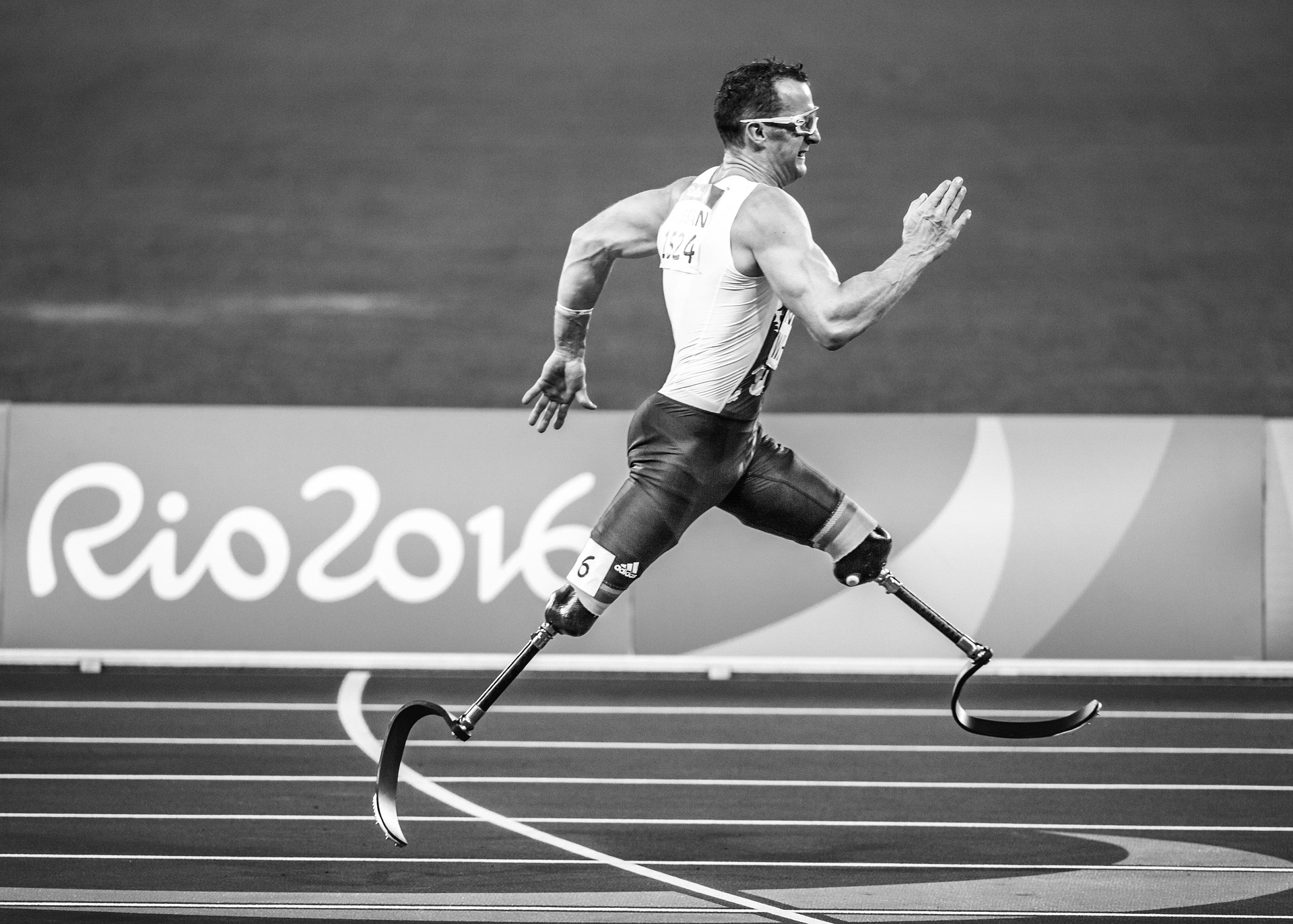
For a female athlete, your body is your most valuable asset. A torn Achilles, spinal injury, or chronic concussion can end your career overnight. Disability insurance for female athletes replaces lost income if you cannot compete, coach, or even work a regular job. In 2026, top professional women athletes carry $1–10 million in disability coverage. Amateur and recreational athletes can buy affordable policies starting at $30/month.
This guide covers every step for athletes at all levels.

| Category | Income at risk | Recommended coverage |
|---|---|---|
| Youth (under 18) | Future earnings | “Future insurability” rider (locks in right to buy later) |
| College athlete | Scholarship + NIL (Name, Image, Likeness) | $100k–500k catastrophic disability |
| Professional athlete | Salary + endorsements | $1M–10M, “own sport” definition |
| Olympic/elite | Training stipend + sponsorship | $500k–2M, with loss of endorsement rider |
| Recreational adult | Regular job income | Standard LTD (60–70% of job income) |
Type 1: Total Disability (can’t play at all)
You cannot compete in your sport at any professional or amateur level. Policy pays full benefit.
Type 2: Partial Disability (can play but at lower level)
You can still compete but earnings drop (e.g., from starter to bench, or from prize money to lower amounts). Some policies pay partial benefit.
Important distinction for athletes:
Standard disability policies define disability as “unable to work any job.” Athlete-specific policies define it as “unable to compete in your specific sport” – called “own sport” definition. This is critical.
In 2026, college athletes can earn NIL money (sponsorships, social media, appearances). A star women’s basketball player might earn $200,000/year from NIL. If she tears her ACL and cannot play, she loses that income.
Solution: Special NIL disability insurance (offered by companies like Gagliardi Insurance, Insure My Sport).
Real example:
Taylor, college soccer player, projected NIL earnings $150,000/year. Buys NIL disability policy for $120,000 coverage (80% of $150k). Premium: $2,400/year. Tears Achilles. Policy pays $120,000 lump sum.
Team sport athletes (NWSL, WNBA, PWHL):
Individual sport athletes (tennis, golf, gymnastics, track, MMA):
Example premiums for a 25-year-old female athlete (2026):
Step 1 – Find a specialist broker
Regular disability agents don’t understand sports. Use brokers who specialize:
Step 2 – Provide documentation
Step 3 – Complete health questionnaire (sport-specific)
Sample questions:
“Have you ever had a concussion? If yes, how many and when?”
“Have you ever torn an ACL, MCL, rotator cuff, or Achilles?”
“Do you play a contact sport (basketball, soccer, rugby, hockey) or collision sport (football, MMA)?”
“Do you use performance-enhancing drugs? (Testing may be required)”
Step 4 – Medical exam (for policies over $1M)
Step 5 – Choose waiting period (elimination period)
For athletes, common choices:
Step 6 – Choose benefit period
Step 7 – Add athlete-specific riders
| Rider | What it does |
|---|---|
| Own sport definition | You are disabled if you cannot compete in your specific sport, not any job |
| Loss of endorsement | Pays if you lose sponsorship due to injury |
| Career transition benefit | Pays for education or business training if career ends |
| Residual disability | Pays if you return to sport but at lower earnings (e.g., bench player) |
| Catastrophic lump sum | Pays additional $100k–500k if injury is permanent (paralysis, amputation) |
Step 8 – Pay premium
Monthly or annual. Premiums are fixed for the policy term (usually 5 or 10 years).
Step 9 – Receive policy
Review the “Definition of Disability” page carefully. It should say: “Unable to perform the material and substantial duties of your occupation as a [sport] athlete.”
The United States Olympic & Paralympic Committee (USOPC) provides:
However, USOPC coverage is basic. Most elite athletes buy supplemental private policies through Lloyd’s of London for $2–10 million in coverage.
Real example:
Simone, elite gymnast. USOPC provides $250k catastrophic. She buys additional $2M policy from Lloyd’s. Premium: $8,000/year. She suffers Achilles rupture 6 months before Olympics. Cannot compete. Lloyd’s pays $2M tax-free.
If you are not a professional athlete but compete seriously (marathons, CrossFit, local leagues):
Real example:
Lisa, accountant, runs marathons. Has employer LTD that pays 60% of $80,000 salary ($48k/year). Develops severe plantar fasciitis, cannot walk >15 minutes, cannot sit at desk without pain. LTD pays $4,000/month until she recovers.
Step-by-step:
❌ Buying a policy with “any occupation” definition – You could lose benefits if you can coach or commentate.
❌ Not disclosing past injuries – If you had a prior ACL tear but don’t disclose, future ACL tear in other knee may be denied.
❌ Waiting too long to buy – Once you have a chronic injury (e.g., recurring hamstring tears), you may be uninsurable or have exclusions.
❌ Assuming workers’ comp covers you – Only employee athletes (e.g., some team staff) qualify. Most athletes are independent contractors.
Section: Sport Participation
#AthleteDisability #FemaleAthleteIncomeProtection #SportsCareerInsurance #DisabilityForAthletes #OwnSportDefinition