
Popular Posts

sports equipment insurance for female athletes

Equipment & Personal Property Insurance for Female Athletes – 2026 Guide


A competitive female athlete’s equipment is easily worth $5,000–50,000+. A road bike: $10,000. Gymnastics grips, leotards, and travel bags: $2,000. Golf clubs: $3,000. Figure skating boots and blades: $1,500. Lacrosse sticks: $1,000. And that’s before sponsorship gear.

Standard renters or home insurance limits coverage for sports equipment (often $1,500–2,500 total). Equipment insurance for female athletes fills the gap. This guide covers every step.
Why Athletes Need Separate Equipment Insurance

  • Theft from car or gym locker – Renters insurance may deny if equipment not kept at home.
  • Damage during travel – Airlines cap liability at $3,500 total for baggage.
  • Loss during competition – Left behind at venue? Not covered by standard policies.
  • Custom equipment – Standard policies pay actual cash value (depreciated). Athletes need replacement cost.

Step 1: Inventory Your Equipment (Detailed Checklist)

Make a spreadsheet with:

ItemBrandModelYear purchasedPurchase priceCurrent replacement cost
Road bikeTrekDomane SL 62024$4,500$5,200
Cycling shoesShimanoRC92025$400$450
HelmetGiroAether2025$300$300
Soccer cleatsNikeMercurial2026$275$275
Shin guardsAdidas2025$80$90
Competition jersey (signed)2023$150 (now valued $600)$600

Total for this cyclist/soccer player: $6,915. If stolen, would you have $6,915 cash to replace?

Step 2: Check Your Existing Renters/Home Insurance

Call your insurer or read your policy’s “Special Limits of Liability” section. Typical limits:

  • Theft of off-premises property: $1,500 total
  • Bicycles: $500–2,000 (unless you add a rider)
  • Golf equipment: $1,500–2,500
  • Musical instruments (if athlete also musician): $1,000
  • Jewelry (medals, championship rings): $1,500

If your equipment is worth more than these limits, you need a separate policy or a scheduled personal property rider.

Step 3: Types of Equipment Insurance for Athletes

Option A: Scheduled Personal Property Rider (add to renters/home insurance)

  • List each item with serial number, receipt, photo
  • Coverage: replacement cost, worldwide, no deductible for scheduled items
  • Cost: ~$1–2 per $100 of value per year ($200/year for $15,000 in gear)

Option B: Standalone Sports Equipment Policy

  • Companies: Markel, Athlete’s Insurance, SportsCover
  • Coverage: theft, loss, damage (including during competition)
  • Cost: ~3–5% of equipment value per year

Option C: Inland Marine Policy (for high-value gear like competition horses, boats, race cars)

  • For equestrians: a competition horse worth $50,000+ needs mortality and theft insurance.
  • For triathletes: $15,000 bike + $10,000 wetsuit + gear.

Step 4: Step-by-Step Application for Equipment Insurance

Step 1 – Gather documentation

  • Receipts or credit card statements for each item
  • Photos (show serial numbers clearly)
  • Appraisal for custom equipment (e.g., custom-fit wheelchair for para-athlete)

Step 2 – Choose coverage type

  • Actual cash value (depreciated) – cheaper premium but pays less
  • Replacement cost – pays full cost to buy new equivalent today (recommended)

Step 3 – Select deductible

  • $0, $100, $250, $500. $0 deductible costs more but worth it for expensive gear.

Step 4 – Complete application
Sample questions:
“Where is equipment stored when not in use?” (Home, gym, car, storage unit)
“Do you travel internationally with equipment?” (Yes → higher premium)
“Do you compete in events with >500 participants?” (Higher theft risk → higher premium)

Step 5 – Pay premium (annual payment usually)

Step 6 – Receive policy schedule – Lists each item with covered amount.

Step 5: Filing a Claim for Stolen or Damaged Equipment

Step-by-step:

  1. If theft: File police report immediately. Get case number.
  2. If airline damage: File claim with airline first (they may pay up to $3,500 under Montreal Convention for international flights).
  3. Notify your equipment insurer within 72 hours.
  4. Provide proof of value – Receipts, photos, police report, airline claim denial letter.
  5. Insurer may ask for proof of purchase – Credit card statement if receipt lost.
  6. Receive payment (minus deductible) within 30 days.

Real example:
Chloe, triathlete. Her $12,000 bike stolen from locked car trunk at a hotel. Renters insurance denied (off-premises limit $1,500). Her standalone sports equipment policy paid $11,500 ($12,000 minus $500 deductible) within 3 weeks.

Step 6: Special Cases

Para-athletes (wheelchairs, prosthetics, specialized gear)

  • Custom wheelchair: $15,000–50,000
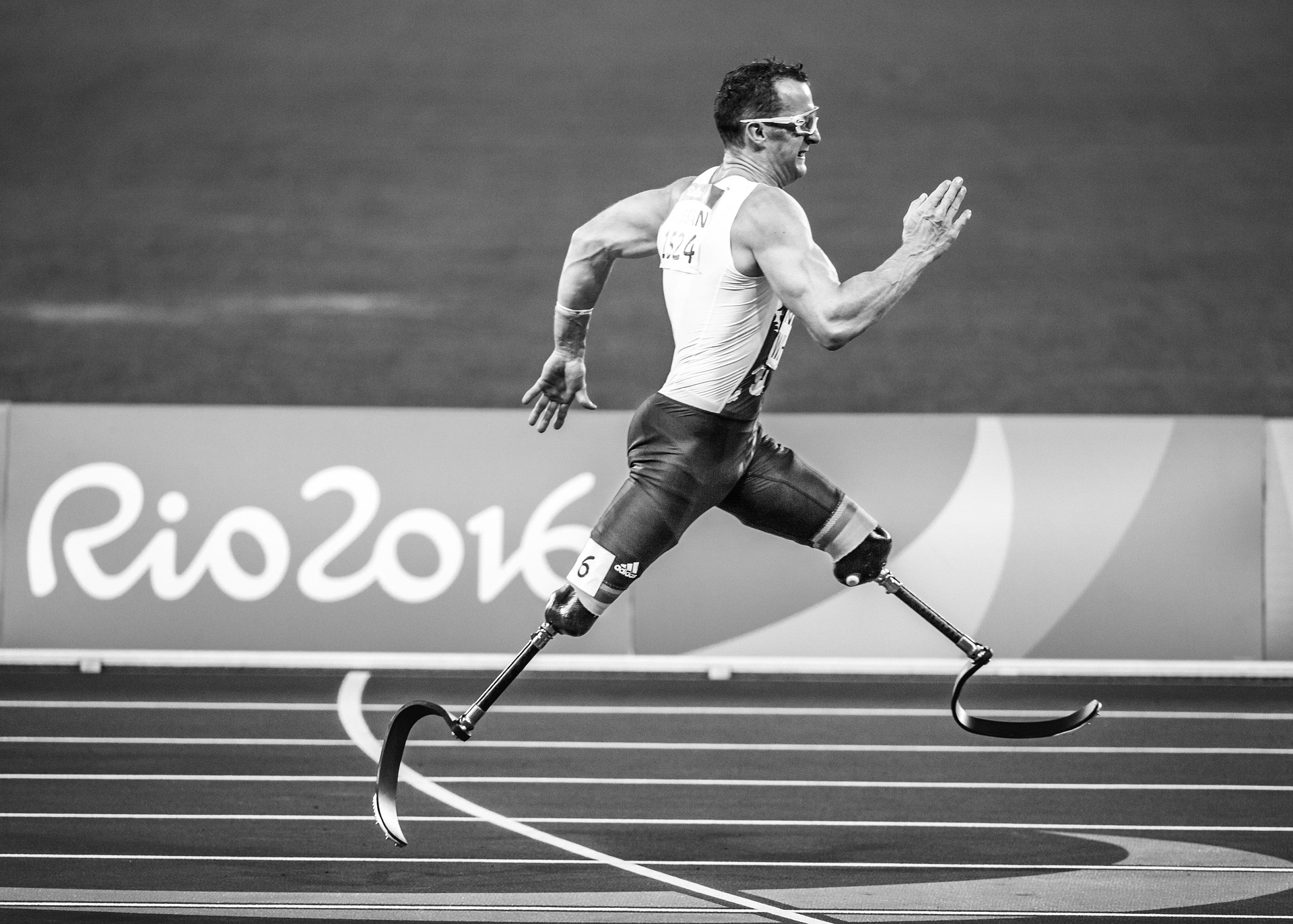
  • Running blades: $10,000–20,000 per pair
  • Standard policies often exclude “wear and tear.” Buy specific “adaptive sports equipment insurance” from Markel or Allianz.

Equestrians

  • Horse mortality insurance (horse dies: pays value)
  • Major medical (veterinary bills)
  • Tack insurance (saddles: $3,000–10,000)

Team sport athletes

  • If your team provides gear (e.g., hockey pads, rowing shells), ask if team insurance covers theft from your car. Often no.

Common Mistakes

❌ Assuming renters insurance covers gear stolen from your car – Most have $1,500 off-premises limit.
❌ Not photographing serial numbers – Insurer can deny claim if you cannot prove ownership.
❌ Buying actual cash value – Your 3-year-old $5,000 bike is worth $1,500 actual cash value. You cannot replace it. Buy replacement cost.

Hashtags

#AthleteEquipmentInsurance #SportsGearProtection #BikeInsurance #FemaleAthleteGear #EquipmentCoverage2026

Leave a Reply

Your email address will not be published. Required fields are marked *