
 11
11
Keywords: cyber insurance USA 2026 · data breach insurance · ransomware protection · small business cyber coverage · digital risk

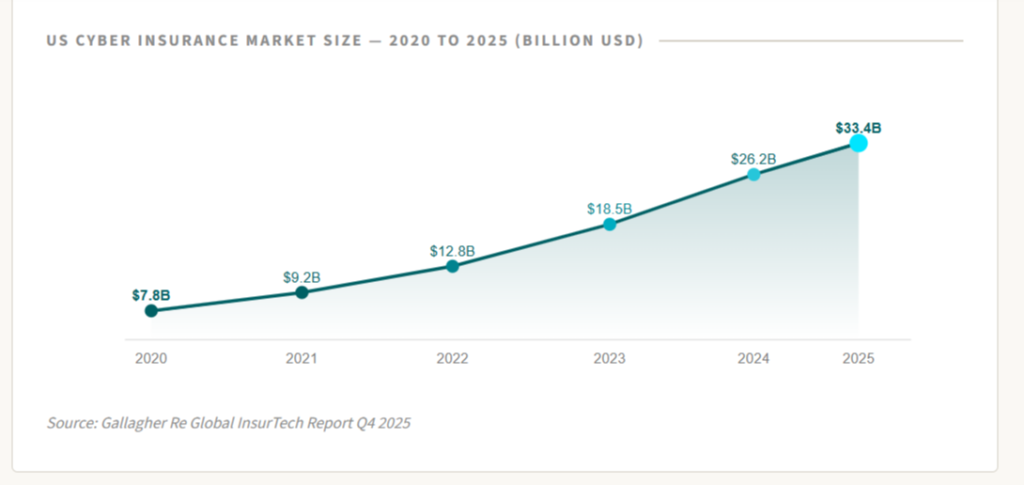
Cybercrime is now projected to cost the global economy $10.5 trillion annually by 2025. The average cost of a ransomware attack on a US small business in 2026 is $1.85 million — when you factor in downtime, recovery costs, legal fees, and reputational damage. Deepfake-enabled fraud, AI-powered phishing, and supply-chain cyberattacks represent a new frontier of digital risk that conventional business insurance does not cover. Cyber insurance has evolved from an optional add-on to an essential pillar of risk management.
First-Party Costs paid directly to you include: forensic investigation, data recovery, ransomware payments (where legally permitted), business interruption losses during system downtime, and crisis PR management. Third-Party Liability covers legal defense and settlements if customer data is breached and affected parties sue your business. Many policies also now include coverage for social engineering fraud — when an employee is deceived into wiring money to a criminal — and for regulatory fines under state data privacy laws.
Agentic AI systems — autonomous software that can reason and execute tasks independently — are now being weaponised by threat actors. Supply-chain attacks compromise one vendor to gain access to hundreds of clients simultaneously. Deepfake audio is being used to impersonate executives and authorise fraudulent wire transfers. These emerging threats mean that cyber policies purchased before 2024 may have significant coverage gaps. Review your policy annually.
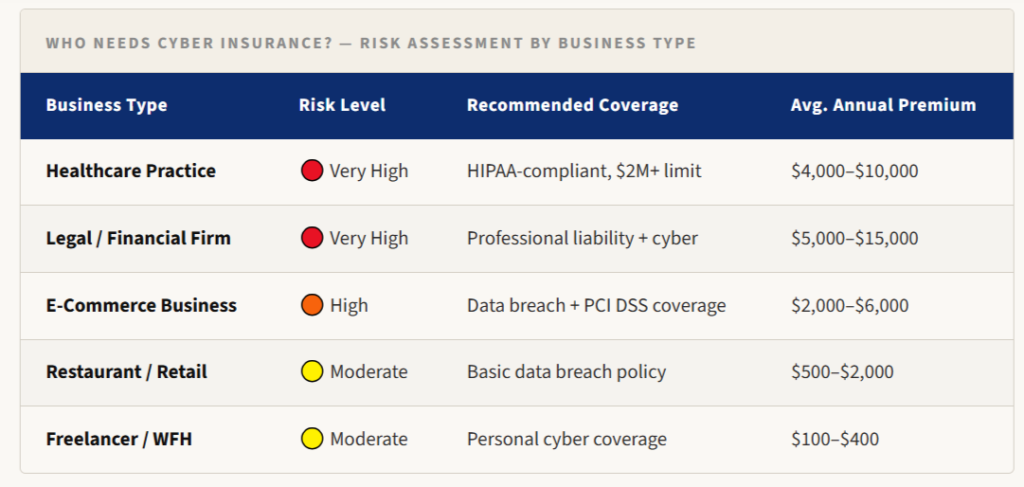
Get cyber insurance quotes from Coalition, At-Bay, or Chubb — the three most highly rated cyber insurers in the US in 2026. Most small business policies start under $1,000 per year. One incident without coverage could cost you everything.
Keywords & Hashtags
#CyberInsuranceUSA2026#DataBreachProtection#RansomwareInsurance#SmallBusinessCyberSecurity#DigitalRiskManagement#CyberLiability2026